




Festool Dust Extractor Accessories Festool Dust Extractor Accessories

Festool Dust Extractor Accessories

Festool hoover attachments sort the little issues that ruin dust extraction, like split hoses, poor tool fit, and blocked nozzles on busy site days.

When you're cutting, sanding, routing, or chasing, the extractor's only as good as what's on the end of it. Festool dust extractor accessories cover the proper hoses, tool adaptors, floor nozzles, filters and bags that actually seal and flow right, so you're not breathing it in or sweeping up twice. Pick the attachment to match the tool and the dust type, and your Festool vacuum stays pulling hard all day.

What Jobs Are Festool Hoover Attachments Used For?

  • Connecting sanders, track saws, routers and domino-style joinery tools with the right Festool vacuum attachments so you get proper pickup at the source instead of dust hanging in the air.
  • Cleaning out vans, stairwells, finished rooms and plant areas using the correct floor heads, crevice tools and brush nozzles, so you lift fine dust without dragging grit across surfaces.
  • Keeping suction consistent on long shifts by fitting the right filters and dust bags, which stops the extractor choking when you move from timber dust to plaster and masonry fines.
  • Sorting awkward access and overhead work with the right Festool hoover hose length and adaptors, so you are not fighting kinks, snagging on corners, or pulling the extractor over.
  • Reducing blockages and downtime on messy jobs by using the right nozzle shape and hose diameter, especially when you are pulling chips from planing or heavier debris from site clean-ups.

Choosing the Right Festool Hoover Attachments

Match the attachment to the dust and the tool, not whatever happens to be in the box, because one wrong adaptor can kill airflow and make the extractor feel weak.

1. Hose diameter and length

If you are on sanders and light extraction, a slimmer hose keeps it manageable and stops you dragging the tool around. If you are pulling chips or doing general clean-up, go up in diameter and keep the run as short as the job allows, because long skinny hoses block and lose pull.

2. Tool end fit and adaptors

If the cuff is loose or you are taping it on, you are leaking suction and dumping dust at the worst point. Get the proper Festool hoover attachment adaptor for your tool port so it locks on, stays put, and you can move room to room without it popping off.

3. Bags and filters for the material

If you are mainly on wood dust, keep it simple but do not run a torn bag or clogged filter because performance drops fast. If you are dealing with plaster and masonry fines, stay on top of bag changes and use the correct filter setup, otherwise you will be wondering why the extractor is suddenly useless.

4. Nozzles for cleaning versus extraction

A floor head is for floors, not for getting into corners or cleaning out a tool case. If you are doing detail clean-up, grab a brush and crevice tool, and keep a wider nozzle for quick site tidy-ups so you are not there all afternoon.

Who Uses Festool Dust Extractor Accessories?

  • Joiners, kitchen fitters and shopfitters who need clean cuts and clean finishes, and rely on Festool hoover attachments that actually seal to the tool and keep the dust off fresh work.
  • Decorators and refurb teams doing sanding and prep, where the right Festool vacuum accessories stop fine dust coating every room and save time on masking and wipe-down.
  • Sparks and plumbers working in occupied buildings who want a tidy chase and quick clean-up, and keep a couple of adaptors and a decent hose in the bag for whatever tool turns up.
  • Site managers and handover crews who need a reliable clean at the end of the job, using proper floor nozzles, filters and bags rather than bodging it with the wrong head.

The Basics: How Festool Vacuum Attachments Work for You

Your extractor can only move the air it can pull through the hose and nozzle. The right Festool extractor accessories keep airflow up, seals tight, and dust going into the bag instead of back into the room.

1. Airtight connections are everything

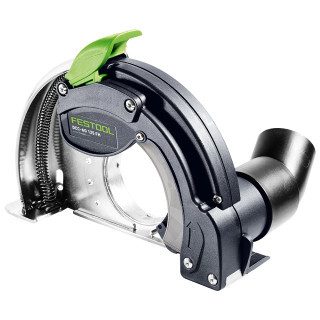
A loose cuff or the wrong adaptor is basically a hole in the system, so the tool gets less pickup and the room gets more dust. A proper fitting Festool hoover attachment keeps suction where you need it, right at the guard or shroud.

2. Airflow versus control

Smaller hoses are easier to handle on sanders and fine work, but they can clog quicker with heavier debris. Bigger hoses shift chips and muck better, but they are bulkier, so you pick what suits the tool and how you are working that day.

3. Filtration keeps performance consistent

As bags fill and filters load up, suction drops and you start leaving dust behind. Staying on the right bags and filters for the job is what keeps a Festool vacuum feeling strong from first cut to last clean-up.

Festool Dust Extractor Accessories That Save Time on Site

These are the bits that stop weak suction, blocked hoses, and constant faff swapping from tool extraction to clean-up.

1. Festool hoover hose options

A decent Festool hoover hose in the right length and diameter stops kinks, snagging and loss of pull, especially when you are moving room to room or working around finished surfaces.

2. Tool adaptors and connector cuffs

The right adaptor is what stops you taping hoses on and leaking suction at the tool. Fit it once and it stays put, which matters when you are swapping between saw, sander and router all day.

3. Dust bags and replacement filters

Do not wait until the bag is rammed and the filter is grey, because performance falls off a cliff. Keeping spares in the van means you change them when suction drops, not when the job is already behind.

4. Floor nozzles, crevice tools and brush heads

Use the right head for the clean-up and you will be done in minutes, not scraping dust out of corners with a wide nozzle that cannot reach, or dragging grit across a finished floor.

Shop Festool Hoover Attachments at ITS

Whether you need a single Festool hoover attachment to replace a lost nozzle or a full set of Festool dust extractor accessories for tool-to-tool extraction and site clean-up, we stock the range in all the useful options. It is all held in our own warehouse, in stock and ready for next day delivery so you can get back to working clean, not messing about.

Festool Hoover Attachments FAQs

Are Festool vacuums worth it?

Yes, if you are using extraction most days with sanders, saws, or routing. They hold suction well, the fittings actually seal, and the whole setup is built for trade abuse. If you only vacuum the van once a month, you will not see the benefit in the same way.

Who is Festool owned by?

Festool is part of the TTS Tooltechnic Systems group. On site, what matters is you are buying into a proper system brand with long-running spares and accessories support, not a one-season range that disappears.

What are the different vacuum attachments?

Most Festool vacuum attachments fall into three groups: hoses and cuffs for connecting to tools, nozzles for cleaning (floor heads, crevice tools, brush heads), and filtration parts like bags and filters. The right one depends on whether you are extracting at the tool or doing a site clean-up.

Can you use Festool dust extractor with other tools?

Yes, you can, as long as you use the correct adaptor to suit the other tool's dust port. The key is getting a snug fit so you do not leak air, otherwise you lose pickup and you will think the extractor is underpowered when it is really the connection.

Why does my Festool extractor feel weak even though it is running?

Nine times out of ten it is a blockage, a split hose, a loose cuff, or a loaded bag or filter. Swap the bag, check the filter, and make sure the Festool hoover hose and tool end are not leaking or kinked before you blame the machine.

Read more

Festool Dust Extractor Accessories

Festool hoover attachments sort the little issues that ruin dust extraction, like split hoses, poor tool fit, and blocked nozzles on busy site days.

When you're cutting, sanding, routing, or chasing, the extractor's only as good as what's on the end of it. Festool dust extractor accessories cover the proper hoses, tool adaptors, floor nozzles, filters and bags that actually seal and flow right, so you're not breathing it in or sweeping up twice. Pick the attachment to match the tool and the dust type, and your Festool vacuum stays pulling hard all day.

What Jobs Are Festool Hoover Attachments Used For?

  • Connecting sanders, track saws, routers and domino-style joinery tools with the right Festool vacuum attachments so you get proper pickup at the source instead of dust hanging in the air.
  • Cleaning out vans, stairwells, finished rooms and plant areas using the correct floor heads, crevice tools and brush nozzles, so you lift fine dust without dragging grit across surfaces.
  • Keeping suction consistent on long shifts by fitting the right filters and dust bags, which stops the extractor choking when you move from timber dust to plaster and masonry fines.
  • Sorting awkward access and overhead work with the right Festool hoover hose length and adaptors, so you are not fighting kinks, snagging on corners, or pulling the extractor over.
  • Reducing blockages and downtime on messy jobs by using the right nozzle shape and hose diameter, especially when you are pulling chips from planing or heavier debris from site clean-ups.

Choosing the Right Festool Hoover Attachments

Match the attachment to the dust and the tool, not whatever happens to be in the box, because one wrong adaptor can kill airflow and make the extractor feel weak.

1. Hose diameter and length

If you are on sanders and light extraction, a slimmer hose keeps it manageable and stops you dragging the tool around. If you are pulling chips or doing general clean-up, go up in diameter and keep the run as short as the job allows, because long skinny hoses block and lose pull.

2. Tool end fit and adaptors

If the cuff is loose or you are taping it on, you are leaking suction and dumping dust at the worst point. Get the proper Festool hoover attachment adaptor for your tool port so it locks on, stays put, and you can move room to room without it popping off.

3. Bags and filters for the material

If you are mainly on wood dust, keep it simple but do not run a torn bag or clogged filter because performance drops fast. If you are dealing with plaster and masonry fines, stay on top of bag changes and use the correct filter setup, otherwise you will be wondering why the extractor is suddenly useless.

4. Nozzles for cleaning versus extraction

A floor head is for floors, not for getting into corners or cleaning out a tool case. If you are doing detail clean-up, grab a brush and crevice tool, and keep a wider nozzle for quick site tidy-ups so you are not there all afternoon.

Who Uses Festool Dust Extractor Accessories?

  • Joiners, kitchen fitters and shopfitters who need clean cuts and clean finishes, and rely on Festool hoover attachments that actually seal to the tool and keep the dust off fresh work.
  • Decorators and refurb teams doing sanding and prep, where the right Festool vacuum accessories stop fine dust coating every room and save time on masking and wipe-down.
  • Sparks and plumbers working in occupied buildings who want a tidy chase and quick clean-up, and keep a couple of adaptors and a decent hose in the bag for whatever tool turns up.
  • Site managers and handover crews who need a reliable clean at the end of the job, using proper floor nozzles, filters and bags rather than bodging it with the wrong head.

The Basics: How Festool Vacuum Attachments Work for You

Your extractor can only move the air it can pull through the hose and nozzle. The right Festool extractor accessories keep airflow up, seals tight, and dust going into the bag instead of back into the room.

1. Airtight connections are everything

A loose cuff or the wrong adaptor is basically a hole in the system, so the tool gets less pickup and the room gets more dust. A proper fitting Festool hoover attachment keeps suction where you need it, right at the guard or shroud.

2. Airflow versus control

Smaller hoses are easier to handle on sanders and fine work, but they can clog quicker with heavier debris. Bigger hoses shift chips and muck better, but they are bulkier, so you pick what suits the tool and how you are working that day.

3. Filtration keeps performance consistent

As bags fill and filters load up, suction drops and you start leaving dust behind. Staying on the right bags and filters for the job is what keeps a Festool vacuum feeling strong from first cut to last clean-up.

Festool Dust Extractor Accessories That Save Time on Site

These are the bits that stop weak suction, blocked hoses, and constant faff swapping from tool extraction to clean-up.

1. Festool hoover hose options

A decent Festool hoover hose in the right length and diameter stops kinks, snagging and loss of pull, especially when you are moving room to room or working around finished surfaces.

2. Tool adaptors and connector cuffs

The right adaptor is what stops you taping hoses on and leaking suction at the tool. Fit it once and it stays put, which matters when you are swapping between saw, sander and router all day.

3. Dust bags and replacement filters

Do not wait until the bag is rammed and the filter is grey, because performance falls off a cliff. Keeping spares in the van means you change them when suction drops, not when the job is already behind.

4. Floor nozzles, crevice tools and brush heads

Use the right head for the clean-up and you will be done in minutes, not scraping dust out of corners with a wide nozzle that cannot reach, or dragging grit across a finished floor.

Shop Festool Hoover Attachments at ITS

Whether you need a single Festool hoover attachment to replace a lost nozzle or a full set of Festool dust extractor accessories for tool-to-tool extraction and site clean-up, we stock the range in all the useful options. It is all held in our own warehouse, in stock and ready for next day delivery so you can get back to working clean, not messing about.

Festool Hoover Attachments FAQs

Are Festool vacuums worth it?

Yes, if you are using extraction most days with sanders, saws, or routing. They hold suction well, the fittings actually seal, and the whole setup is built for trade abuse. If you only vacuum the van once a month, you will not see the benefit in the same way.

Who is Festool owned by?

Festool is part of the TTS Tooltechnic Systems group. On site, what matters is you are buying into a proper system brand with long-running spares and accessories support, not a one-season range that disappears.

What are the different vacuum attachments?

Most Festool vacuum attachments fall into three groups: hoses and cuffs for connecting to tools, nozzles for cleaning (floor heads, crevice tools, brush heads), and filtration parts like bags and filters. The right one depends on whether you are extracting at the tool or doing a site clean-up.

Can you use Festool dust extractor with other tools?

Yes, you can, as long as you use the correct adaptor to suit the other tool's dust port. The key is getting a snug fit so you do not leak air, otherwise you lose pickup and you will think the extractor is underpowered when it is really the connection.

Why does my Festool extractor feel weak even though it is running?

Nine times out of ten it is a blockage, a split hose, a loose cuff, or a loaded bag or filter. Swap the bag, check the filter, and make sure the Festool hoover hose and tool end are not leaking or kinked before you blame the machine.

ITS Click and Collect Icon
What3Words:
Store Opening Hours
Opening times