




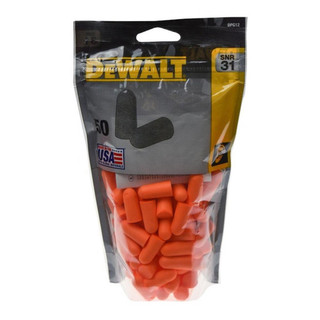
Dewalt Ear Defenders Dewalt Ear Defenders

Dewalt Ear Defenders

DeWalt ear defenders cut the noise down fast when you're on breakers, grinders, saws, or plant, so you can work a full shift without your ears ringing.

On busy sites, noise fatigue is real and it creeps up on you. DeWalt PPE ear defenders are built for daily wear, with padded cups and a solid headband that stays put under a hard hat. Pick the right rating, get them comfortable, and you'll actually keep them on all day.

What Are DeWalt Ear Defenders Used For?

  • Running breakers, SDS drilling, and chasing walls where the constant hammer noise will wreck your hearing if you try to "just crack on" without proper protection.
  • Cutting and grinding metal, brick, and concrete when the high pitch noise is sharp enough to give you a headache by mid-morning.
  • Working around plant, compressors, and generators on refurb and groundwork jobs where the background roar never really stops.
  • Doing joinery and fit-out with saws and nailers when you still need ear protection but want something you can wear comfortably for hours.

Choosing the Right DeWalt Ear Defenders

Match the defenders to the noise level and how long you'll be wearing them, because the best rating in the world is useless if they're uncomfortable and end up round your neck.

1. Noise Reduction Rating (SNR)

If you're on heavy demo, grinders, or running near plant all day, go higher SNR so you're properly covered. If you're doing mixed work and still need to hear instructions and alarms clearly, don't overdo it; pick a sensible SNR that protects you without isolating you.

2. Helmet and face-fit

If you're in a hard hat all shift, check you've got a setup that doesn't break the seal around your ears, because gaps kill the protection. If you wear specs, make sure the cushions sit comfortably around the arms, otherwise you'll get pressure points and you'll stop wearing them.

3. Comfort for full shifts

For all-day wear, prioritise decent padding and a headband that grips without crushing. If you're only putting them on for short bursts, you can get away with a simpler set, but on constant noise you want comfort first so they stay on.

Who Are DeWalt Ear Defenders For on Site?

  • Groundworkers and demo lads living on breakers and cut-off saws, because you need proper attenuation that you'll still wear after lunch.
  • Chippies and roofers using circular saws, nailers, and chop saws, because it takes the edge off without getting in the way of headgear.
  • Steel fixers, fabricators, and maintenance teams around grinders and plant rooms, because the noise is constant and the protection needs to be reliable day after day.

Shop DeWalt Ear Defenders at ITS

Whether you need a basic pair for occasional cutting or professional DeWalt ear defenders for daily site noise, we stock the full range ready for the job. It's all held in our own warehouse, in stock and ready for next day delivery so you're not turning up on site unprotected.

DeWalt Ear Defenders FAQs

What are the disadvantages of ear defenders?

The main downside is they can get warm and bulky on long shifts, and if the fit is wrong they can press on your head or clash with hard hats and specs. They can also reduce your ability to hear speech and warning sounds, so you need the right SNR for the job and a proper seal around the ear.

What is the strongest ear protection?

The strongest option is usually the highest SNR-rated hearing protection you can wear correctly for the full task, and in very high noise some people use earplugs with ear defenders over the top. "Strongest" only counts if it fits and seals properly, because a high rating with gaps performs badly in the real world.

Do ear defenders work if I'm wearing safety glasses?

Yes, but the arms of the glasses can break the seal and drop the protection if they're thick or badly positioned. If you wear specs daily, look for defenders with soft cushions and take a second to seat them properly so the cups sit flat around the ear.

How do I know if my ear defenders are fitted right?

You should feel even pressure all round the ear with no obvious gaps, and the cups should fully cover your ears without sitting on the lobe. If you can slide a finger in easily at the top or back, or they lift when you move your head, they're not sealing and you're not getting the rated protection.

When should I replace ear defenders?

Replace them when the cushions go hard, split, or won't spring back, or if the headband loses tension and they don't clamp properly. On site, sweat, dust, and getting chucked in the van kills the seal over time, and once the seal's gone the protection drops off fast.

Read more

Dewalt Ear Defenders

DeWalt ear defenders cut the noise down fast when you're on breakers, grinders, saws, or plant, so you can work a full shift without your ears ringing.

On busy sites, noise fatigue is real and it creeps up on you. DeWalt PPE ear defenders are built for daily wear, with padded cups and a solid headband that stays put under a hard hat. Pick the right rating, get them comfortable, and you'll actually keep them on all day.

What Are DeWalt Ear Defenders Used For?

  • Running breakers, SDS drilling, and chasing walls where the constant hammer noise will wreck your hearing if you try to "just crack on" without proper protection.
  • Cutting and grinding metal, brick, and concrete when the high pitch noise is sharp enough to give you a headache by mid-morning.
  • Working around plant, compressors, and generators on refurb and groundwork jobs where the background roar never really stops.
  • Doing joinery and fit-out with saws and nailers when you still need ear protection but want something you can wear comfortably for hours.

Choosing the Right DeWalt Ear Defenders

Match the defenders to the noise level and how long you'll be wearing them, because the best rating in the world is useless if they're uncomfortable and end up round your neck.

1. Noise Reduction Rating (SNR)

If you're on heavy demo, grinders, or running near plant all day, go higher SNR so you're properly covered. If you're doing mixed work and still need to hear instructions and alarms clearly, don't overdo it; pick a sensible SNR that protects you without isolating you.

2. Helmet and face-fit

If you're in a hard hat all shift, check you've got a setup that doesn't break the seal around your ears, because gaps kill the protection. If you wear specs, make sure the cushions sit comfortably around the arms, otherwise you'll get pressure points and you'll stop wearing them.

3. Comfort for full shifts

For all-day wear, prioritise decent padding and a headband that grips without crushing. If you're only putting them on for short bursts, you can get away with a simpler set, but on constant noise you want comfort first so they stay on.

Who Are DeWalt Ear Defenders For on Site?

  • Groundworkers and demo lads living on breakers and cut-off saws, because you need proper attenuation that you'll still wear after lunch.
  • Chippies and roofers using circular saws, nailers, and chop saws, because it takes the edge off without getting in the way of headgear.
  • Steel fixers, fabricators, and maintenance teams around grinders and plant rooms, because the noise is constant and the protection needs to be reliable day after day.

Shop DeWalt Ear Defenders at ITS

Whether you need a basic pair for occasional cutting or professional DeWalt ear defenders for daily site noise, we stock the full range ready for the job. It's all held in our own warehouse, in stock and ready for next day delivery so you're not turning up on site unprotected.

DeWalt Ear Defenders FAQs

What are the disadvantages of ear defenders?

The main downside is they can get warm and bulky on long shifts, and if the fit is wrong they can press on your head or clash with hard hats and specs. They can also reduce your ability to hear speech and warning sounds, so you need the right SNR for the job and a proper seal around the ear.

What is the strongest ear protection?

The strongest option is usually the highest SNR-rated hearing protection you can wear correctly for the full task, and in very high noise some people use earplugs with ear defenders over the top. "Strongest" only counts if it fits and seals properly, because a high rating with gaps performs badly in the real world.

Do ear defenders work if I'm wearing safety glasses?

Yes, but the arms of the glasses can break the seal and drop the protection if they're thick or badly positioned. If you wear specs daily, look for defenders with soft cushions and take a second to seat them properly so the cups sit flat around the ear.

How do I know if my ear defenders are fitted right?

You should feel even pressure all round the ear with no obvious gaps, and the cups should fully cover your ears without sitting on the lobe. If you can slide a finger in easily at the top or back, or they lift when you move your head, they're not sealing and you're not getting the rated protection.

When should I replace ear defenders?

Replace them when the cushions go hard, split, or won't spring back, or if the headband loses tension and they don't clamp properly. On site, sweat, dust, and getting chucked in the van kills the seal over time, and once the seal's gone the protection drops off fast.

ITS Click and Collect Icon
What3Words:
Get Directions
Store Opening Hours
Opening times