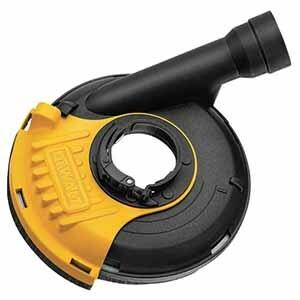
Dewalt Angle Grinder Discs & Accessories Dewalt Angle Grinder Discs & Accessories

Dewalt Angle Grinder Discs & Accessories

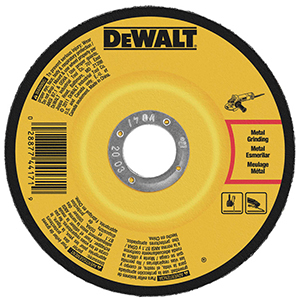
Angle grinder blades are what make an angle grinder earn its keep, from fast cutting to clean prep work when you cannot waste time fighting the wrong disc.

On site, most grinder problems come down to the disc choice, not the tool. This DeWalt range covers proper grinder cutting disc options for metal and masonry, plus blades for grinding and finishing. Match the cutting disc for grinder to the material, keep the guard on, and swap discs before they're worn to nothing.

What Jobs Are Angle Grinder Blades Used For?

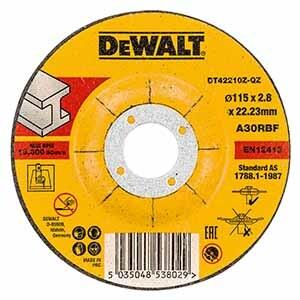
  • Cutting rebar, box section, angle iron and threaded rod with the right grinder cutting disc so it slices clean without cooking the steel.
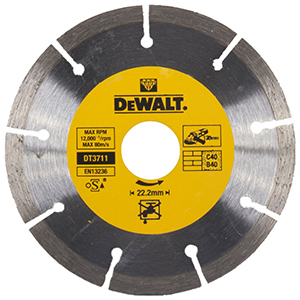
  • Trimming paving slabs, concrete edging and masonry with a cutting disc for grinder that is rated for stone, keeping the cut straight and the disc from glazing over.
  • Grinding back welds and knocking down high spots on steelwork when you need a flatter finish before paint, galvanising, or a second run.
  • Cleaning off rust, mill scale and old paint during refurbs so you are not trying to weld or coat over contamination.
  • Chamfering edges and deburring cut ends on metal and plastic trunking supports so nothing catches hands, cables, or gloves on install.

Choosing the Right Angle Grinder Blades

Sorting the right disc is simple: match it to the material and the grinder size, because the wrong grinder cutting disc is where the trouble starts.

1. Cutting vs Grinding (Do not mix them up)

If you are slicing through metal or stone, use a proper cutting disc for grinder and let it cut. If you are leaning on the face to flatten welds or shape edges, switch to a grinding disc, because cutting discs are not made for side load.

2. Metal vs Stone Rated Discs

If you are on steel, pick a metal-rated grinder cutting disc so it stays sharp and does not clog. If you are on masonry, use a disc rated for stone or concrete, because metal discs wear out fast and overheat when you try to force them through slabs.

3. Disc Diameter and Speed Rating

Stick to the disc diameter your grinder is designed for and check the max RPM on the disc matches or exceeds the tool. If you oversize or run an under-rated disc, it is not "braver", it is how discs let go.

4. Thickness for Control vs Speed

Thin cutting discs are quicker and leave a narrower kerf, which is handy on conduit, rod and sheet. If you are cutting heavier section and you are not perfectly square, a slightly thicker dewalt cutting disc can feel steadier and last longer.

Who Uses These on Site?

  • Steel fixers, fabricators and welders who burn through discs cutting and dressing metal all day, and need a dewalt cutting disc that stays predictable under load.
  • Groundworkers and landscapers cutting slabs, kerbs and drainage channels, where the right cutting disc for grinder saves time and reduces kickback.
  • Plumbers and heating engineers trimming bracketry, channel and threaded bar, usually off the tailgate, so they keep a few grinder cutting disc types in the van.
  • Maintenance teams and fitters doing repairs and strip-outs, where dewalt angle grinder blades make quick work of seized fixings and rough edges.

How Angle Grinder Blades Work for You

Angle grinder blades are all about using the right abrasive or grit for the material, at the right speed, without forcing it. Get that right and the disc does the work, not your wrists.

1. Cutting Discs

A grinder cutting disc is designed to cut on the edge, wearing away material as it goes. Keep the tool square, let it bite, and do not twist in the cut or you will bind it and risk cracking the disc.

2. Grinding and Prep Discs

Grinding discs and prep wheels are built to take pressure on the face for flattening welds, cleaning steel, and shaping. They remove material slower than a cutting disc, but they are stable and controllable for finishing work.

3. Ratings and Safe Use

Disc size, max RPM, and material rating are not paperwork, they are what stops failures. If you are swapping between steel and stone, keep separate discs and do not cross-contaminate, especially if you are chasing a clean finish.

Angle Grinder Accessories That Make the Job Easier

A couple of the right add-ons stop you fighting the tool and help your discs last longer.

1. Backing Pads and Fibre Sanding Discs

For paint and rust removal or blending edges, a backing pad with fibre discs gives you control without gouging like a hard grinding disc. It is the difference between tidy prep and a mess you have to fill later.

2. Twist Knot and Crimp Wire Wheels

Wire wheels are the quick fix for cleaning welds, rust, and muck off steel without thinning the parent metal. Keep one for steel only, because dragging it through paint and sealant just clogs it up.

3. Spanner and Flange Sets

A spare flange and spanner set saves you when the originals go missing or get chewed up, and it helps discs seat properly so they run true instead of wobbling themselves to bits.

Shop DeWalt Angle Grinder Blades at ITS

Whether you need a single grinder cutting disc for a quick cut or you are stocking up on dewalt angle grinder blades for ongoing site work, we hold the full range of sizes and disc types. It is all in our own warehouse, in stock and ready for next day delivery so you are not stood waiting when the cutting starts.

Angle Grinder Blades and Disc FAQs

What attachments can you put on an angle grinder?

You can run cutting discs, grinding discs, flap discs, diamond blades for masonry, wire wheels, and sanding systems on a backing pad, as long as they match the grinder's disc diameter, bore, and max RPM. Stick to attachments designed for grinders and keep the correct guard fitted for the disc type.

Can I use a cutting disc for grinder to grind welds?

No, not if you want it safe and controlled. A cutting disc is made to cut on the edge, and side loading it is how discs crack and let go. For welds and shaping, use a grinding disc or flap disc and keep the tool stable.

How do I know if a grinder cutting disc will fit my grinder?

Check three things: disc diameter to suit the tool, bore size to match the spindle and flange, and the disc's max RPM rating to meet or exceed the grinder's speed. If any of those are wrong, do not bodge it, swap to the correct disc.

Are DeWalt cutting discs OK for daily site abuse?

Yes, they are made for trade use and hold up well when you use the right disc for the material and do not force the cut. They are tough, but they are still consumables, so if you are twisting in the cut, overheating, or running the wrong disc on the wrong material, you will burn through them fast.

Why is my disc wearing out fast or glazing over?

Most of the time it is the wrong disc for the job or too much pressure. Metal discs clog and die on stone, and masonry-rated discs will feel slow on steel. Let the disc cut at its own pace, keep your angle right, and replace discs once they are down to a sensible size.
Read more

Dewalt Angle Grinder Discs & Accessories

Angle grinder blades are what make an angle grinder earn its keep, from fast cutting to clean prep work when you cannot waste time fighting the wrong disc.

On site, most grinder problems come down to the disc choice, not the tool. This DeWalt range covers proper grinder cutting disc options for metal and masonry, plus blades for grinding and finishing. Match the cutting disc for grinder to the material, keep the guard on, and swap discs before they're worn to nothing.

What Jobs Are Angle Grinder Blades Used For?

  • Cutting rebar, box section, angle iron and threaded rod with the right grinder cutting disc so it slices clean without cooking the steel.
  • Trimming paving slabs, concrete edging and masonry with a cutting disc for grinder that is rated for stone, keeping the cut straight and the disc from glazing over.
  • Grinding back welds and knocking down high spots on steelwork when you need a flatter finish before paint, galvanising, or a second run.
  • Cleaning off rust, mill scale and old paint during refurbs so you are not trying to weld or coat over contamination.
  • Chamfering edges and deburring cut ends on metal and plastic trunking supports so nothing catches hands, cables, or gloves on install.

Choosing the Right Angle Grinder Blades

Sorting the right disc is simple: match it to the material and the grinder size, because the wrong grinder cutting disc is where the trouble starts.

1. Cutting vs Grinding (Do not mix them up)

If you are slicing through metal or stone, use a proper cutting disc for grinder and let it cut. If you are leaning on the face to flatten welds or shape edges, switch to a grinding disc, because cutting discs are not made for side load.

2. Metal vs Stone Rated Discs

If you are on steel, pick a metal-rated grinder cutting disc so it stays sharp and does not clog. If you are on masonry, use a disc rated for stone or concrete, because metal discs wear out fast and overheat when you try to force them through slabs.

3. Disc Diameter and Speed Rating

Stick to the disc diameter your grinder is designed for and check the max RPM on the disc matches or exceeds the tool. If you oversize or run an under-rated disc, it is not "braver", it is how discs let go.

4. Thickness for Control vs Speed

Thin cutting discs are quicker and leave a narrower kerf, which is handy on conduit, rod and sheet. If you are cutting heavier section and you are not perfectly square, a slightly thicker dewalt cutting disc can feel steadier and last longer.

Who Uses These on Site?

  • Steel fixers, fabricators and welders who burn through discs cutting and dressing metal all day, and need a dewalt cutting disc that stays predictable under load.
  • Groundworkers and landscapers cutting slabs, kerbs and drainage channels, where the right cutting disc for grinder saves time and reduces kickback.
  • Plumbers and heating engineers trimming bracketry, channel and threaded bar, usually off the tailgate, so they keep a few grinder cutting disc types in the van.
  • Maintenance teams and fitters doing repairs and strip-outs, where dewalt angle grinder blades make quick work of seized fixings and rough edges.

How Angle Grinder Blades Work for You

Angle grinder blades are all about using the right abrasive or grit for the material, at the right speed, without forcing it. Get that right and the disc does the work, not your wrists.

1. Cutting Discs

A grinder cutting disc is designed to cut on the edge, wearing away material as it goes. Keep the tool square, let it bite, and do not twist in the cut or you will bind it and risk cracking the disc.

2. Grinding and Prep Discs

Grinding discs and prep wheels are built to take pressure on the face for flattening welds, cleaning steel, and shaping. They remove material slower than a cutting disc, but they are stable and controllable for finishing work.

3. Ratings and Safe Use

Disc size, max RPM, and material rating are not paperwork, they are what stops failures. If you are swapping between steel and stone, keep separate discs and do not cross-contaminate, especially if you are chasing a clean finish.

Angle Grinder Accessories That Make the Job Easier

A couple of the right add-ons stop you fighting the tool and help your discs last longer.

1. Backing Pads and Fibre Sanding Discs

For paint and rust removal or blending edges, a backing pad with fibre discs gives you control without gouging like a hard grinding disc. It is the difference between tidy prep and a mess you have to fill later.

2. Twist Knot and Crimp Wire Wheels

Wire wheels are the quick fix for cleaning welds, rust, and muck off steel without thinning the parent metal. Keep one for steel only, because dragging it through paint and sealant just clogs it up.

3. Spanner and Flange Sets

A spare flange and spanner set saves you when the originals go missing or get chewed up, and it helps discs seat properly so they run true instead of wobbling themselves to bits.

Shop DeWalt Angle Grinder Blades at ITS

Whether you need a single grinder cutting disc for a quick cut or you are stocking up on dewalt angle grinder blades for ongoing site work, we hold the full range of sizes and disc types. It is all in our own warehouse, in stock and ready for next day delivery so you are not stood waiting when the cutting starts.

Angle Grinder Blades and Disc FAQs

What attachments can you put on an angle grinder?

You can run cutting discs, grinding discs, flap discs, diamond blades for masonry, wire wheels, and sanding systems on a backing pad, as long as they match the grinder's disc diameter, bore, and max RPM. Stick to attachments designed for grinders and keep the correct guard fitted for the disc type.

Can I use a cutting disc for grinder to grind welds?

No, not if you want it safe and controlled. A cutting disc is made to cut on the edge, and side loading it is how discs crack and let go. For welds and shaping, use a grinding disc or flap disc and keep the tool stable.

How do I know if a grinder cutting disc will fit my grinder?

Check three things: disc diameter to suit the tool, bore size to match the spindle and flange, and the disc's max RPM rating to meet or exceed the grinder's speed. If any of those are wrong, do not bodge it, swap to the correct disc.

Are DeWalt cutting discs OK for daily site abuse?

Yes, they are made for trade use and hold up well when you use the right disc for the material and do not force the cut. They are tough, but they are still consumables, so if you are twisting in the cut, overheating, or running the wrong disc on the wrong material, you will burn through them fast.

Why is my disc wearing out fast or glazing over?

Most of the time it is the wrong disc for the job or too much pressure. Metal discs clog and die on stone, and masonry-rated discs will feel slow on steel. Let the disc cut at its own pace, keep your angle right, and replace discs once they are down to a sensible size.
ITS Click and Collect Icon
What3Words:
Get Directions
Store Opening Hours
Opening times